
Essential Guide to Windshield Calibration: Ensuring Your Safety on the Road
Ever wondered how your vehicle’s safety systems accurately sense and respond to objects and road conditions? The secret is windshield calibration in Dallas, a critical step in maintaining Advanced Driver Assistance Systems (ADAS). This process enhances vehicle safety and ensures a smooth, responsive driving experience.
Key Takeaways
-
Windshield calibration is essential for features like collision prevention and lane departure warnings.
-
Calibration should follow windshield replacement, accidents, or wheel alignment to maintain ADAS performance.
-
Regular inspections and following manufacturer guidelines help keep ADAS systems working properly.
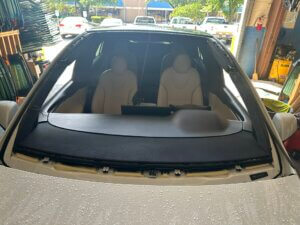
Windshield Calibration
Understanding Windshield Calibration
The term windshield calibration may seem technical, but it is crucial in modern vehicles with ADAS.
Windshield calibration involves:
-
Adjusting and testing all cameras and sensors on the windshield.
-
Ensuring these systems function correctly.
-
Providing accurate visual data to ADAS.
Proper calibration ensures ADAS features like collision prevention, lane departure warnings, and adaptive cruise control operate correctly. A miscalibrated windshield could compromise safety, putting you and other road users at risk.
Role of ADAS in Vehicle Safety
ADAS features enhance safety with lane departure warnings, adaptive cruise control, and collision avoidance. These systems rely on windshield cameras and sensors to monitor the road and detect hazards.
Proper Dallas calibration ensures sensors can accurately detect objects. Without calibration, ADAS systems may fail, increasing the risk of accidents.
Windshield Cameras and Sensors
The windshield not only protects you from the elements but also houses ADAS cameras and sensors. These provide data for:
-
Object detection
-
Collision warning
-
Lane departure warning
-
Adaptive cruise control
Even slight changes in camera angle can affect performance. Calibration aligns sensors correctly, ensuring accurate readings and safe driving.
When to Calibrate Your Windshield
You should calibrate your windshield after:
-
Windshield replacement: Cameras and sensors are often disconnected. Calibration restores ADAS functionality.
-
Accidents: Collisions or frame damage can misalign sensors.
-
Wheel alignment: Proper alignment affects ADAS sensor accuracy.
Windshield Replacement
Replacing a windshield involves more than swapping glass. Modern windshields house key ADAS components. If calibration is skipped, sensors may provide inaccurate readings or warnings, increasing accident risk. Warning lights or system errors often indicate the need for calibration.
Accidents and Wheel Alignment
Accidents and misaligned wheels can disrupt ADAS function:
-
Front-end collisions
-
Frame damage
-
Windshield damage
-
Suspension or alignment issues
Calibration restores sensor accuracy and ensures ADAS operates safely.
Types of Windshield Calibration: Static vs. Dynamic
Static calibration happens when the vehicle is stationary using specialized equipment. It ensures precise sensor alignment.
Dynamic calibration occurs while driving, allowing ADAS to adjust to real-world conditions. This method usually takes about an hour and requires a straight road with consistent speed.
Both methods ensure ADAS accuracy; the choice depends on your vehicle and ADAS features.
The Calibration Process
Calibration requires:
-
Diagnostic tablets
-
ADAS calibration tools
-
Vehicle lifts and calibration frames
The process varies by vehicle make, model, and ADAS system. The goal is always the same: accurate sensor function for safe driving.
Time required: 30 minutes to 2–3 hours, depending on method, vehicle, and conditions. Static calibration often takes less time than dynamic calibration.
Working with Auto Glass Shops
Choose a reputable auto glass shop for calibration. Certified technicians use specialized tools and follow manufacturer standards. Check reviews, ratings, and recommendations to ensure quality service.
Costs and Insurance Coverage
Calibration typically costs $300–$600, depending on:
-
ADAS complexity
-
Calibration method
-
Vehicle model and year
-
Damage severity
Dynamic calibration may cost more than static. Insurance often covers calibration after windshield replacement, but confirm with your provider.
Maintaining ADAS Performance
Regular maintenance keeps ADAS functioning:
-
Scan for fault codes
-
Perform calibration as needed
-
Inspect ADAS systems physically
-
Follow preventive maintenance schedules
Preventive steps include:
-
Inspecting windshields regularly
-
Keeping sensors clean
-
Following manufacturer calibration schedules
Regular Maintenance
Maintain ADAS cameras and sensors by:
-
Cleaning the windshield with microfiber cloths
-
Avoiding abrasive materials
-
Using rubbing alcohol for stubborn stains
Regular inspections ensure proper calibration, especially after repairs or replacements.
Addressing Issues
Promptly address problems such as:
-
Cracks or misaligned windshields
-
ADAS calibration errors
-
Impaired visibility
Warning lights or diagnostic codes (e.g., B1008) can indicate calibration issues. Professional technicians should resolve these errors promptly.
Summary
Windshield calibration is vital for vehicles with ADAS. Whether after replacement, an accident, or wheel alignment, calibration ensures ADAS features work correctly, keeping you safe on the road. Understanding the process, costs, insurance coverage, and maintenance tips helps you maintain optimal vehicle safety.
Frequently Asked Questions
Do windshields need calibration?
Yes. Vehicles with ADAS require calibration after repairs or replacements.
How much does it cost?
Costs vary by vehicle. Typical ADAS calibration ranges from $300–$600, with dynamic calibration generally costing more.
What is windshield calibration?
It aligns windshield-mounted cameras and sensors to ensure ADAS safety systems function accurately.
When should I calibrate my windshield?
After windshield replacement, serious accidents, or wheel alignment, to maintain ADAS accuracy and road safety.

